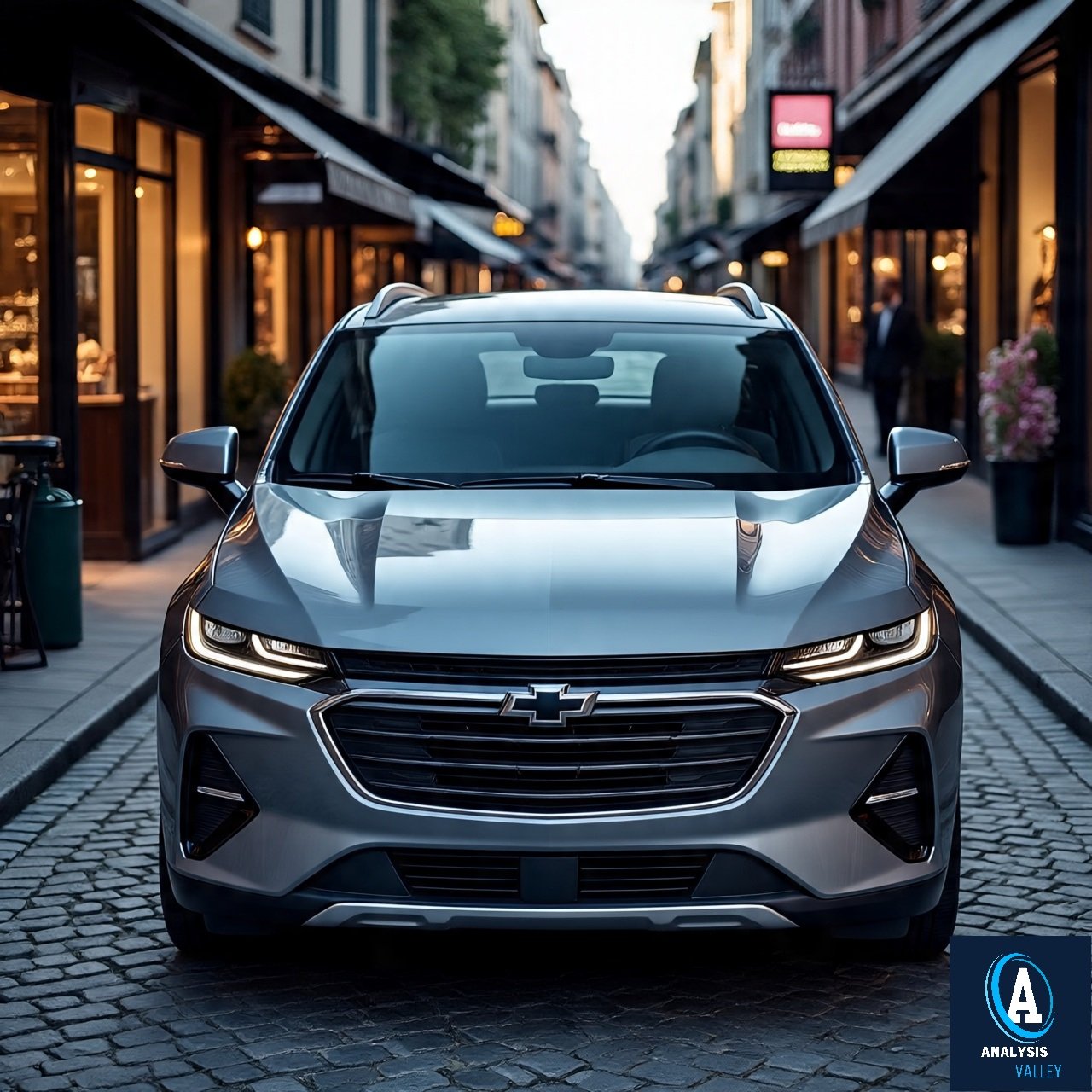
LONDON, UK – October 26, 2023 – The automotive industry is in the throes of a seismic shift, and at its epicenter is the electric SUV. This once-niche segment is now the primary battleground where legacy automakers and ambitious startups are vying for supremacy. The convergence of consumer demand for spacious, versatile vehicles and the industry’s relentless push toward electrification has created an unprecedented product boom. An exclusive analysis for Analysis Valley has identified the 15 most compelling upcoming electric SUVs that are poised to redefine the market, offering everything from budget-friendly family haulers to hyper-luxury performance machines.
The pace of innovation is staggering. “We are no longer in a phase of early adoption for electric vehicles; we are entering the era of mass-market EV choice, and the SUV body style is leading the charge,” explains Dr. Anya Sharma, Lead Automotive Analyst at Global Insight Analytics. “The next two years will see a flood of new models that address the key barriers to entry: cost, charging speed, and model variety. Consumers who have been waiting on the sidelines will finally have compelling options that fit their lifestyle and budget.”
This surge is backed by billions in R&D investment, with manufacturers retooling factories and developing dedicated electric platforms to achieve economies of scale. The following guide provides a definitive look at the electric SUVs you should be excited for, breaking down the key models that will shape the future of mobility.
The Inevitable Ascent: How the SUV Became the EV’s Perfect Vessel
The rise of the electric SUV is not accidental. The fundamental architecture of a modern electric vehicle—a flat “skateboard” platform housing the battery pack—is ideally suited to the SUV form factor. This design allows for a spacious interior with a flat floor, a low center of gravity that combats the traditional SUV rollover risk, and ample cargo space. The instant torque from electric motors provides the effortless acceleration consumers desire in a larger vehicle.
“The electric powertrain solves the classic SUV dilemma,” says Michael Thorne, an automotive historian and author of ‘High Ride: The SUV Revolution.’ “For decades, you had to choose between capability and efficiency. The electric SUV delivers both in a single package: immense power with zero tailpipe emissions and lower running costs. It’s a value proposition that is incredibly difficult for consumers to ignore.”
This logic is reflected in global production plans. According to recent data from BloombergNEF, SUVs are expected to account for over 60% of all global electric vehicle sales by 2028. The models listed below are the vanguard of this electric onslaught.
The Definitive List: 15 Upcoming Electric SUVs You Need to Know
After synthesizing industry announcements, manufacturer roadmaps, and spy reports, Analysis Valley presents the 15 most significant upcoming electric SUVs, categorized for clarity.
The Mainstream Game-Changers
1. Chevrolet Equinox EV
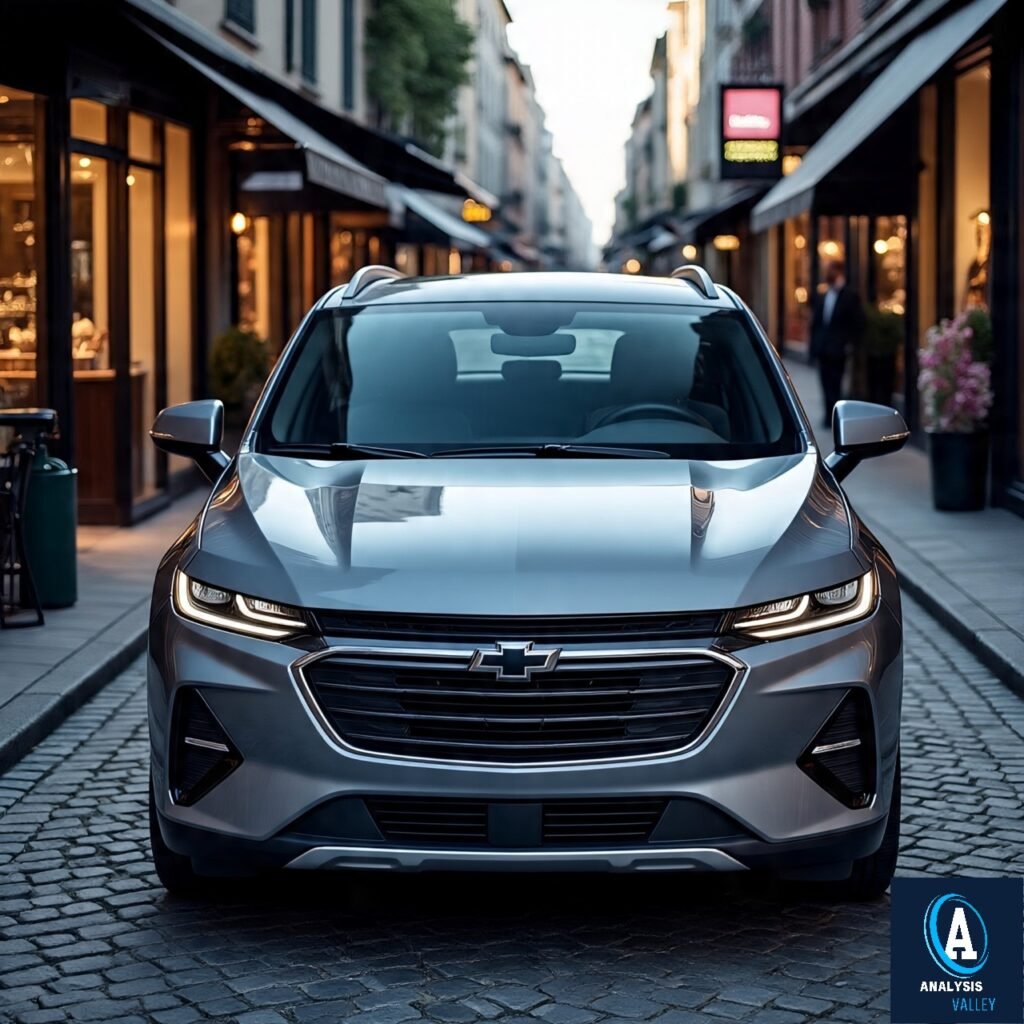
The Deep Dive: Touted as a true “EV for everyone,” the Equinox EV is perhaps the most anticipated mainstream model. It’s not just the sub-$30,000 starting price (for the 1LT model) that’s compelling; it’s the complete package. Built on GM’s Ultium platform, it offers an estimated range of over 300 miles in its front-wheel-drive configuration. Higher trims (like the well-equipped 2RS) offer all-wheel drive, a more powerful motor setup, and a sleek, modern design that completely distances itself from its gasoline-powered namesake. The interior features an 11-inch driver display and a massive 11.3-inch infotainment screen running Google’s built-in software, offering seamless integration with Google Maps and Assistant. For families, its spacious cabin and smart storage solutions make it a direct and formidable competitor to the Tesla Model Y and Ford Mustang Mach-E.
2. Volkswagen ID.4 (Refreshed & New Variants)
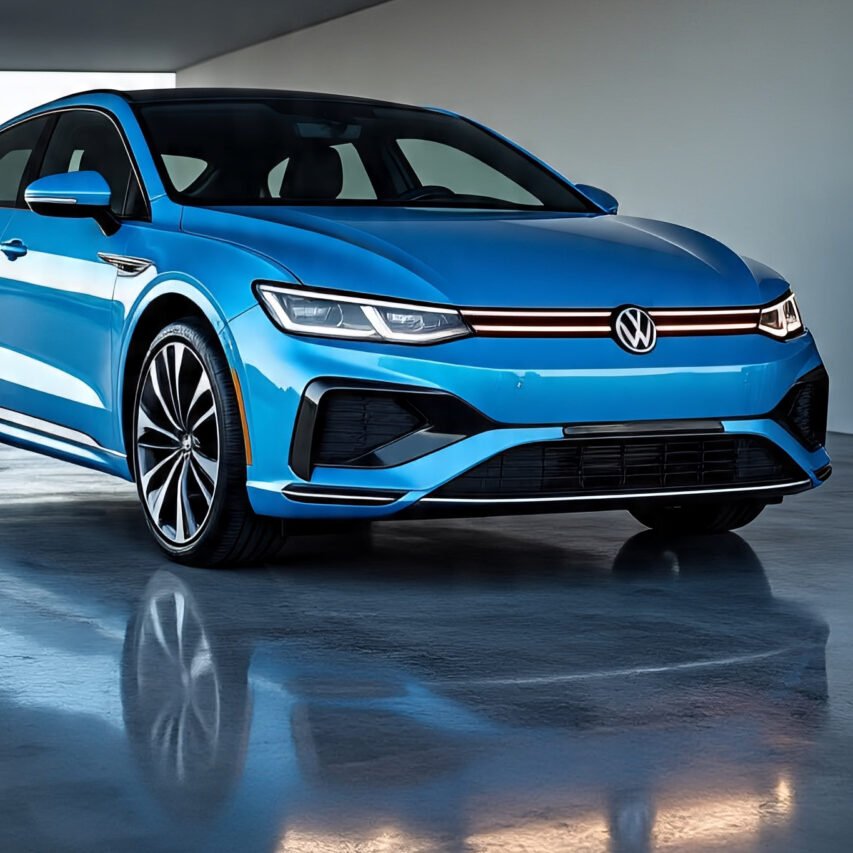
The Deep Dive: As Volkswagen’s global electric workhorse, the ID.4 is already a success, but VW is not resting on its laurels. The upcoming refreshed model, spotted testing extensively, addresses key customer feedback. The interior is set for a major overhaul, moving away from the hard plastics and controversial touch-sensitive sliders to higher-quality materials and more intuitive, backlit physical buttons. More significantly, a new, more powerful rear-wheel-drive variant is coming to the U.S. This model will feature a larger, 82 kWh battery (net) and a new APP550 electric motor that produces 282 horsepower and 402 lb-ft of torque—a substantial increase that will transform its driving dynamics, making it more engaging and responsive. This refresh solidifies the ID.4’s position as a top-tier, value-packed option.
3. Kia EV3
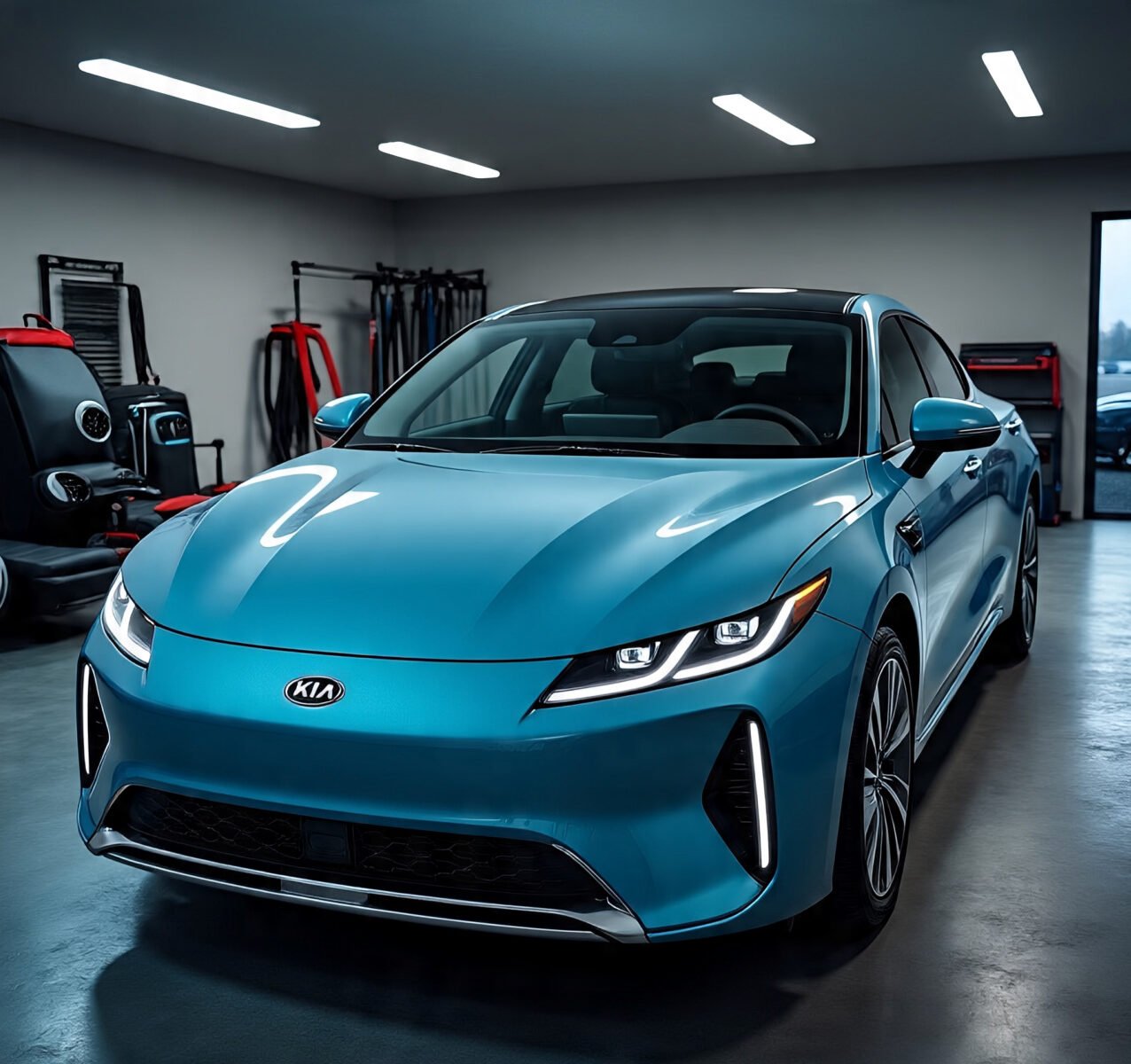
The Deep Dive: Following the critical and commercial success of the larger EV9, Kia is set to disrupt the compact SUV segment with the EV3. Inspired by its strikingly boxy and futuristic concept, the production model promises to democratize Kia’s ‘Opposites United’ design language. It will be a masterclass in packaging, offering an interior space that likely belies its compact footprint, thanks to the dedicated E-GMP platform. Key features carried over from its bigger siblings will include Vehicle-to-Load (V2L) capability, allowing you to power appliances and electronics from the car, and ultra-fast 800-volt charging, enabling a 10-80% charge in under 20 minutes. With a targeted starting price significantly under the Tesla Model Y, the EV3 could become the default choice for style-conscious urbanites and young families.
4. Volvo EX30
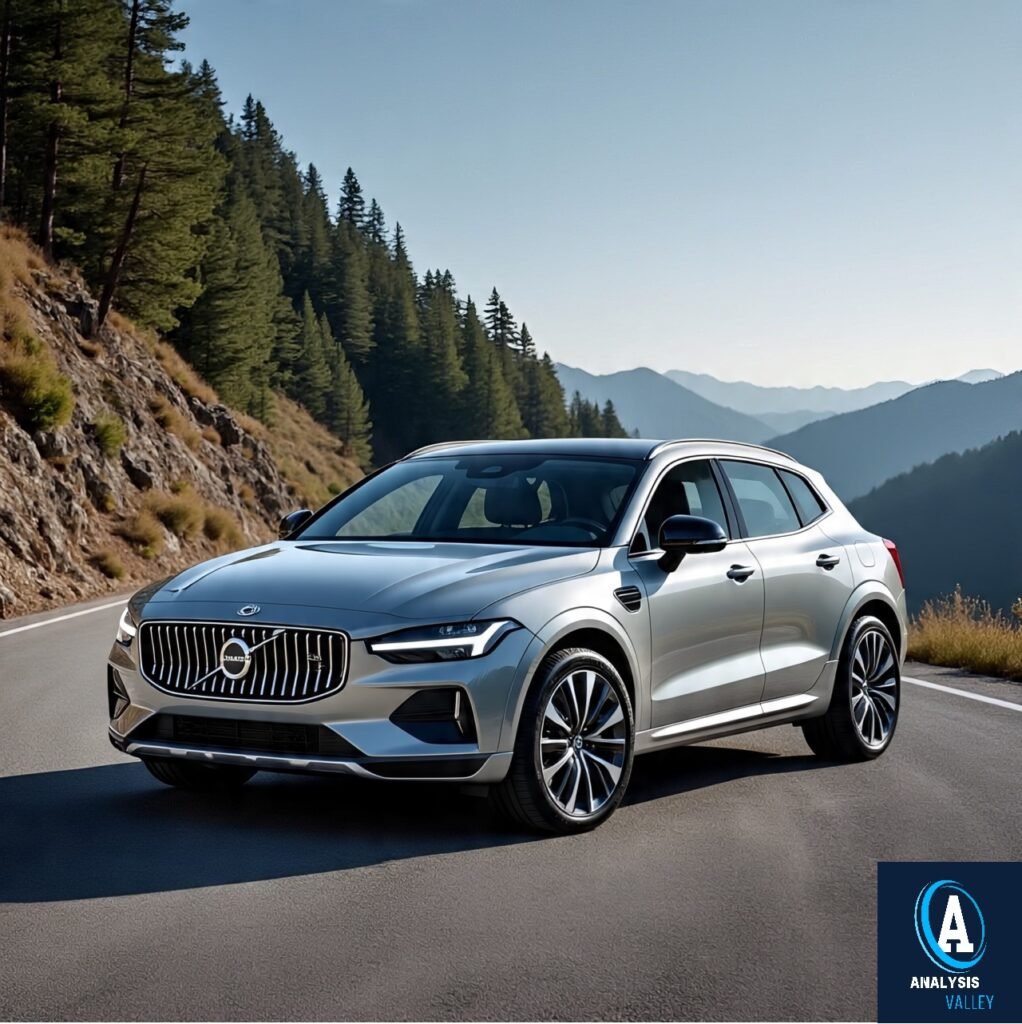
The Deep Dive: Positioned as Volvo’s smallest and most affordable EV, the EX30 is a radical experiment in sustainable and minimalist design. Its lower price tag is achieved through a ruthlessly efficient and simplified interior, which uses a single, centrally mounted 12.3-inch screen (powered by Google) to control virtually all vehicle functions, drastically reducing physical buttons. Sustainable materials, including denim scraps and flax fibres, are used throughout the cabin. Don’t let the simplicity fool you; it will be offered with a performance trim that can accelerate from 0-60 mph in a blistering 3.4 seconds, making it one of the quickest-accelerating cars Volvo has ever made. The EX30 is designed to have the smallest CO2 footprint of any Volvo car to date, appealing to the eco-conscious consumer without compromising on safety or Scandinavian aesthetics.
5. Hyundai Santa Fe EV
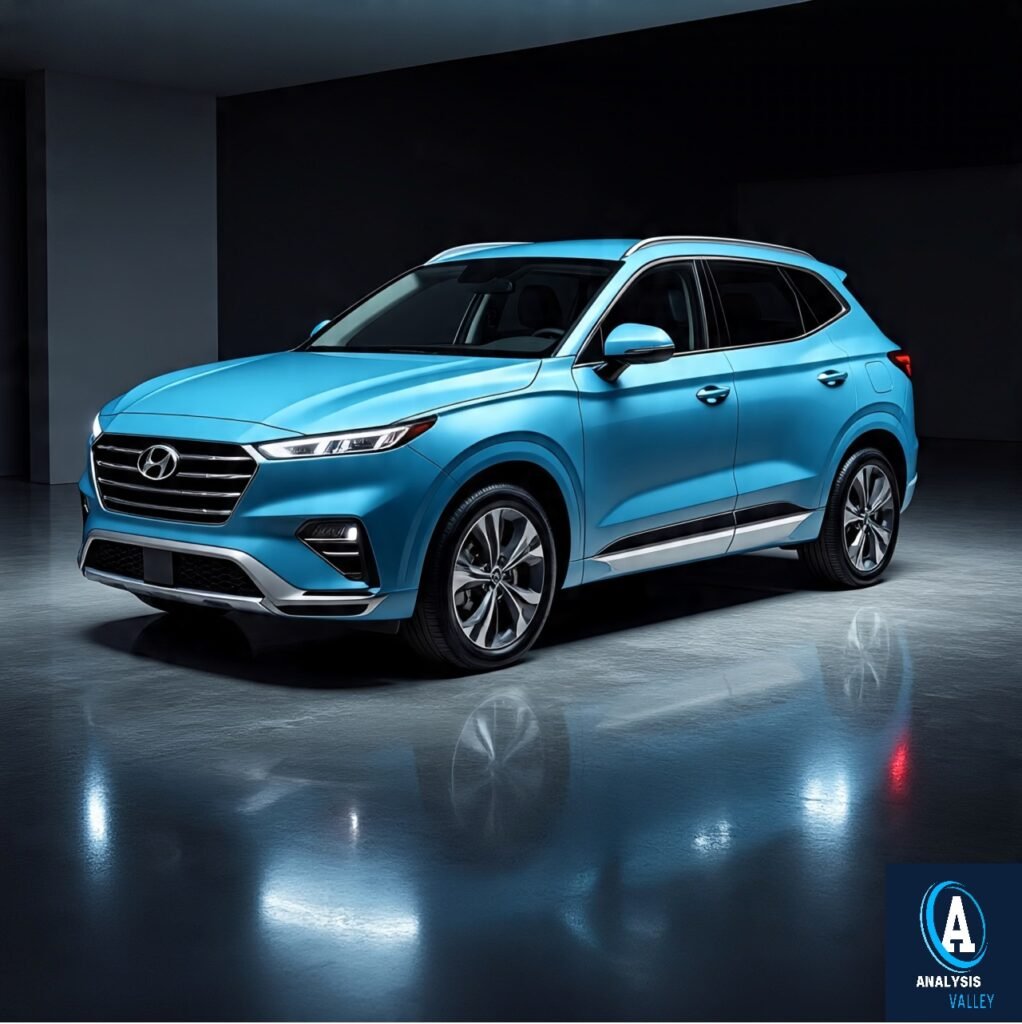
The Deep Dive: The beloved Santa Fe is undergoing its most dramatic transformation yet, and an all-electric version is confirmed to follow the bold, boxy redesign of the 2024 ICE model. This design isn’t just for looks; it maximizes interior volume, creating a truly commanding and spacious cabin. The Santa Fe EV will leverage the Hyundai Motor Group’s advanced E-GMP platform, likely offering a long-range battery option and a dual-motor AWD system for all-weather confidence. Expect it to feature the latest in Hyundai’s tech, including a panoramic curved display and Hyundai’s Smart Sense safety suite. It will stand out in the segment by offering a rugged, almost “Outback”-esque aesthetic combined with zero-emissions driving, targeting families who value style, space, and a sense of adventure.
The Adventure & Off-Road Specialists
This category pushes the boundaries of where an electric vehicle can go, proving that silence and sustainability can coexist with extreme capability.
6. Rivian R2
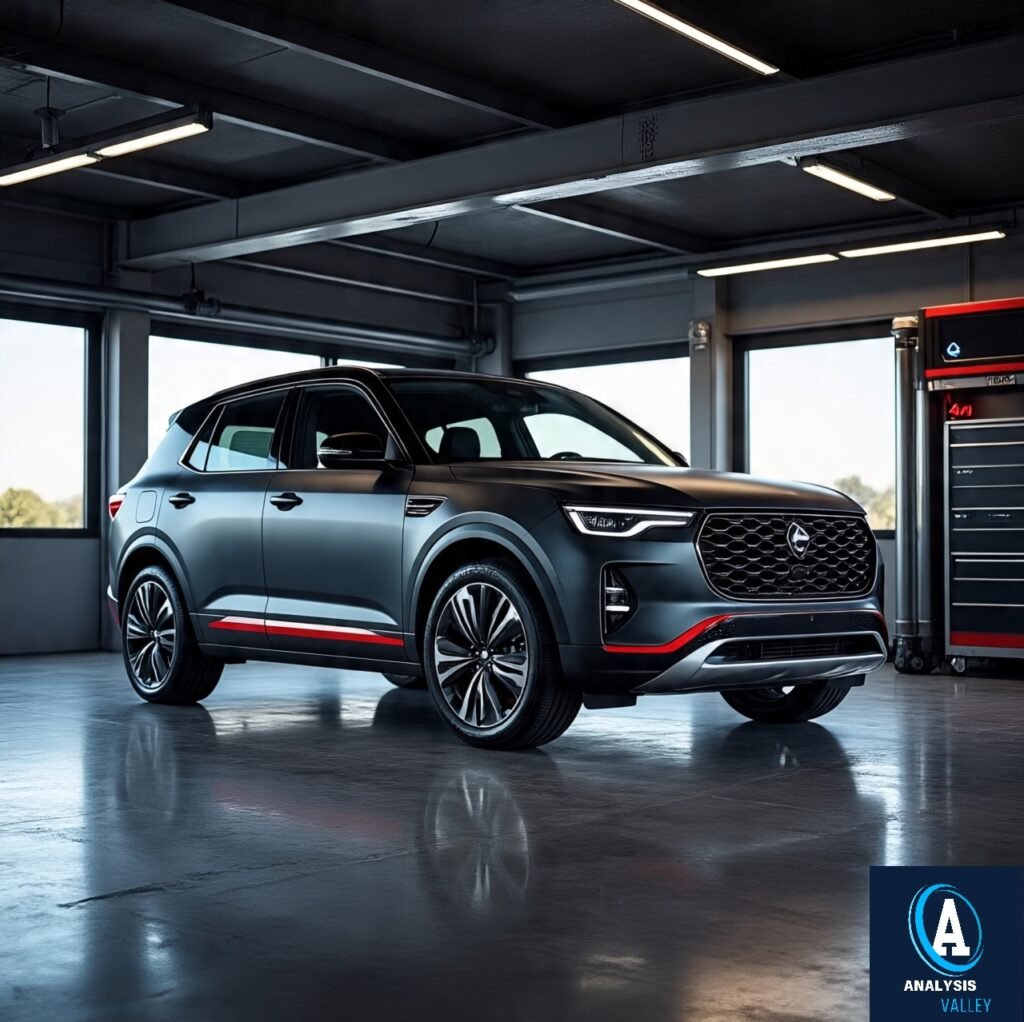
The Deep Dive: While the R1S has established Rivian as a premium adventure brand, the smaller, more affordable R2 is the company’s bid for volume and long-term viability. Expected to start in the $45,000-$50,000 range, it will be built on a new, simplified platform but retain Rivian’s core DNA: exceptional off-road capability with a focus on gear storage and outdoor lifestyle. It is expected to be around 15 inches shorter than the R1S, making it more manageable on tight trails and in urban environments. Spy shots suggest it will carry over the friendly front light bar and vertical taillights, creating a strong family resemblance. With a targeted range of over 300 miles and Rivian’s proven dual-motor AWD system, the R2 has the potential to be the ultimate “everyday adventure” vehicle.
7. Jeep Recon
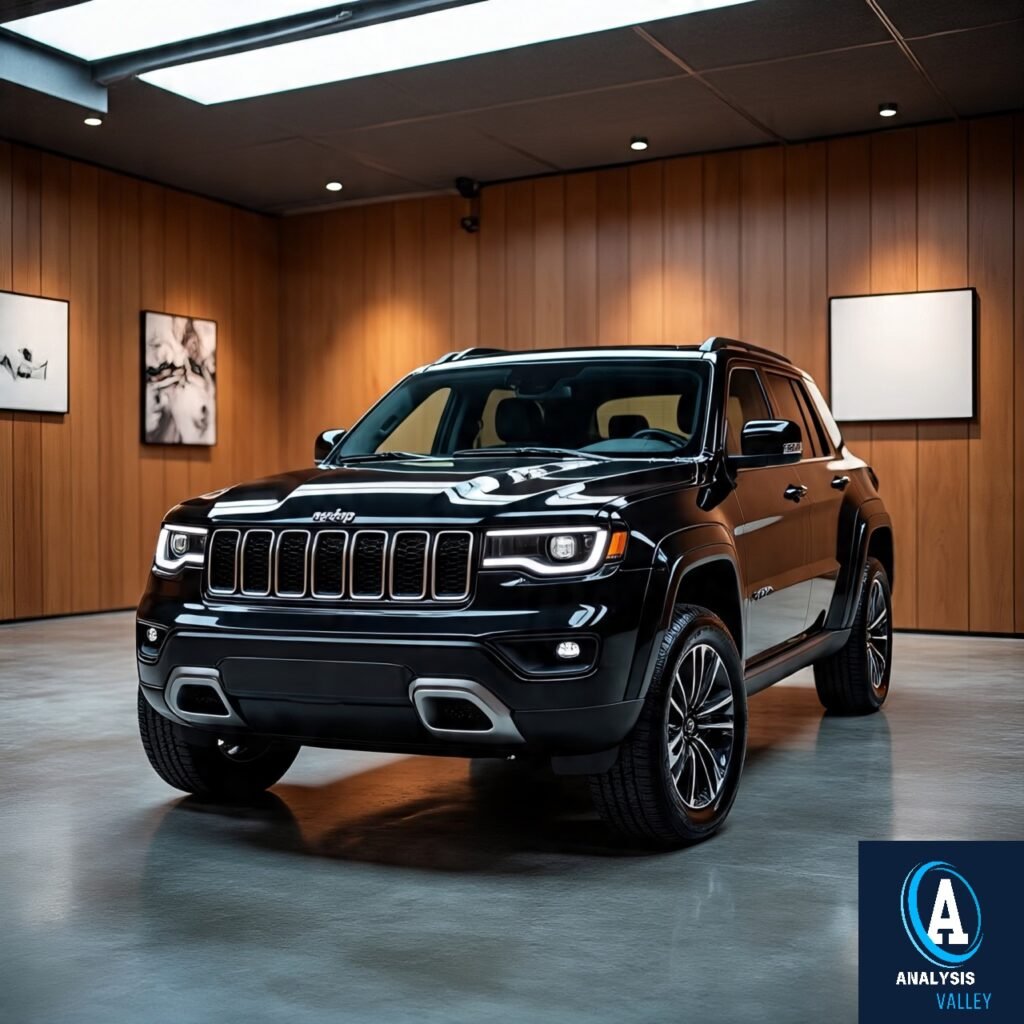
The Deep Dive: Jeep is betting its future on electrification without sacrificing its legendary off-road chops, and the Recon is the proof. This Wrangler-inspired EV is designed to be “trail-rated” right out of the factory. It features iconic Jeep design cues like removable doors and a power-folding windshield, allowing for an open-air experience unmatched by any other electric SUV. Underneath, it utilizes the new STLA Large platform, equipped with Jeep’s Selec-Terrain traction management system and e-locker axle technology. Jeep has boldly stated that the Recon will have the capability to conquer the gruelling Rubicon Trail. For the first time, drivers will be able to tackle such extreme terrain in near silence, marking a historic moment for the off-road community.
8. Scout SUV
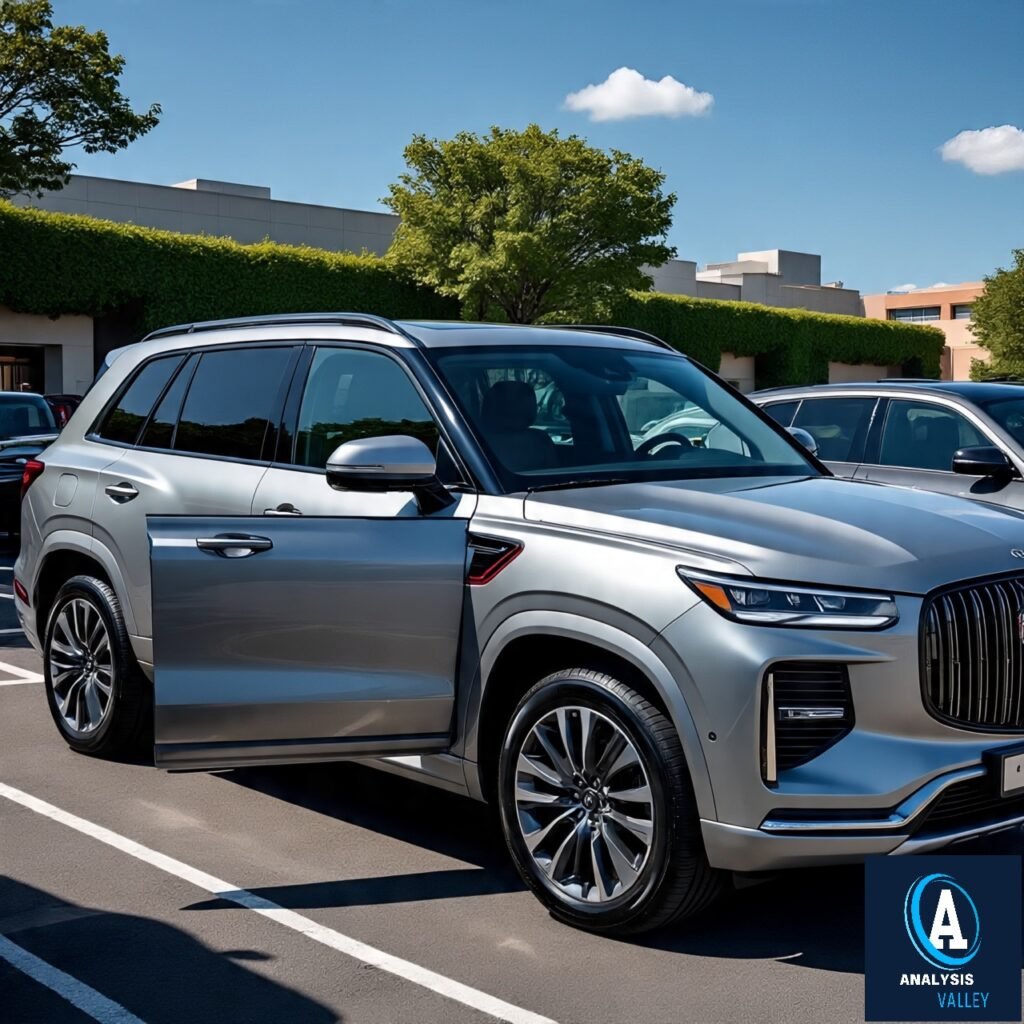
The Deep Dive: The revival of the Scout nameplate is one of the most compelling stories in the auto industry. Now an independent brand under the Volkswagen Group, Scout Motors is developing a lineup of all-electric, rugged SUVs and pickups that tap into a deep well of American nostalgia. The first model, a midsize SUV, will utilize a new body-on-frame platform specifically engineered for off-road durability—a unique approach in the world of unibody electric crossovers. This suggests Scout is targeting serious, agricultural, and recreational use, not just a rugged aesthetic. Expect a boxy, utilitarian design with modern tech, aiming to be a direct, authentic competitor to the Rivian R1S and a more premium alternative to the Jeep Wrangler.
9. Polestar 4
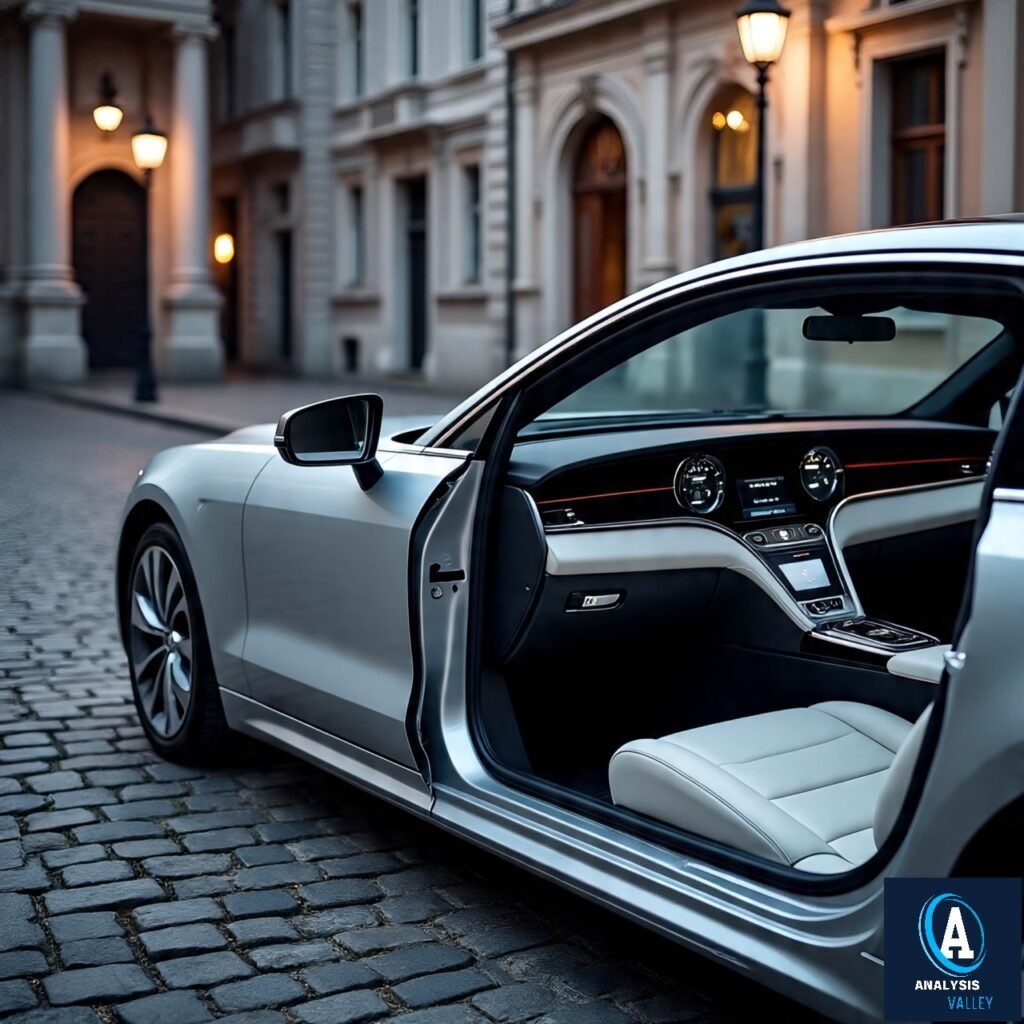
The Deep Dive: The Polestar 4 is not just another SUV Coupé; it’s a radical rethinking of the form. Its most controversial and innovative feature is the removal of the rear window. Instead, the view behind the vehicle is provided by a high-definition camera that feeds a digital rearview mirror screen. This allows designers to move the rear roof cross-member further back, creating a more spacious and immersive feeling for rear-seat passengers and improving aerodynamic efficiency. Positioned as a “sports coupé for the electric age,” it offers blistering performance with up to 544 horsepower, enabling a 0-60 mph time of around 3.8 seconds. It combines this with a luxurious, minimalist interior focused on sustainable materials, making it a unique choice for the performance-oriented, design-conscious buyer.
The Luxury & Performance Vanguard
For those for whom cost is less of a barrier, these models offer a glimpse into the future of high-end, zero-emissions motoring.
10. Audi Q6 e-tron
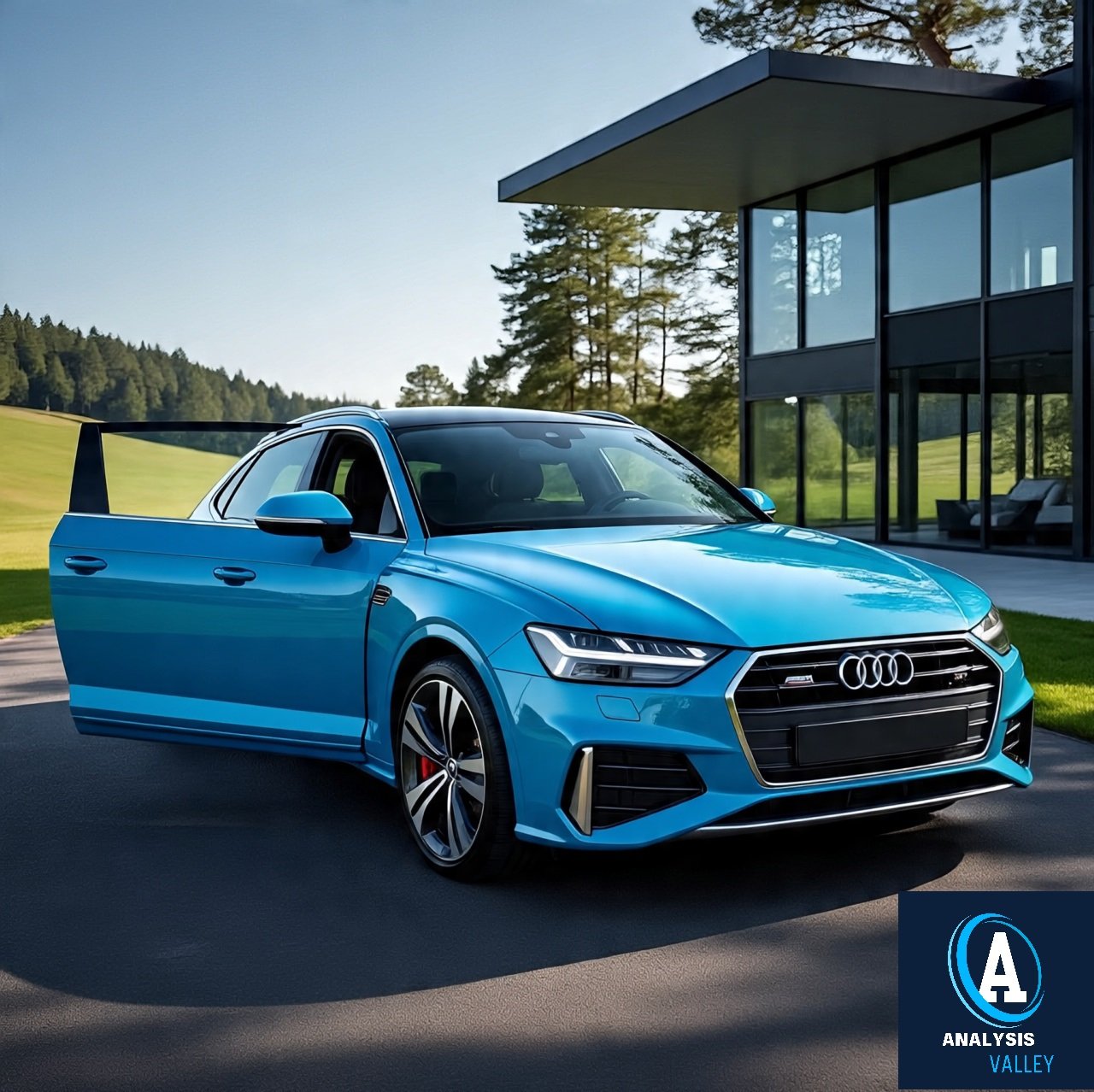
The Deep Dive: The Q6 e-tron is far more than a new model; it is the standard-bearer for Audi’s next technological generation. As the first vehicle built on the new Premium Platform Electric (PPE) co-developed with Porsche, it represents a massive leap forward. It debuts a completely new electronic architecture, including an 11.9-inch virtual cockpit plus a 14.5-inch curved MMI touchscreen, and an optional 10.9-inch passenger display. The lighting technology is revolutionary, with second-generation digital OLED taillights that can display dynamic lighting signatures and even communicate with other road users. With 800-volt architecture enabling charging speeds of up to 270 kW, the Q6 e-ton can add about 155 miles of range in just 10 minutes. Its combination of Audi’s signature Quattro all-wheel drive, luxury, and cutting-edge tech makes it a benchmark in the making.
11. Porsche Macan EV
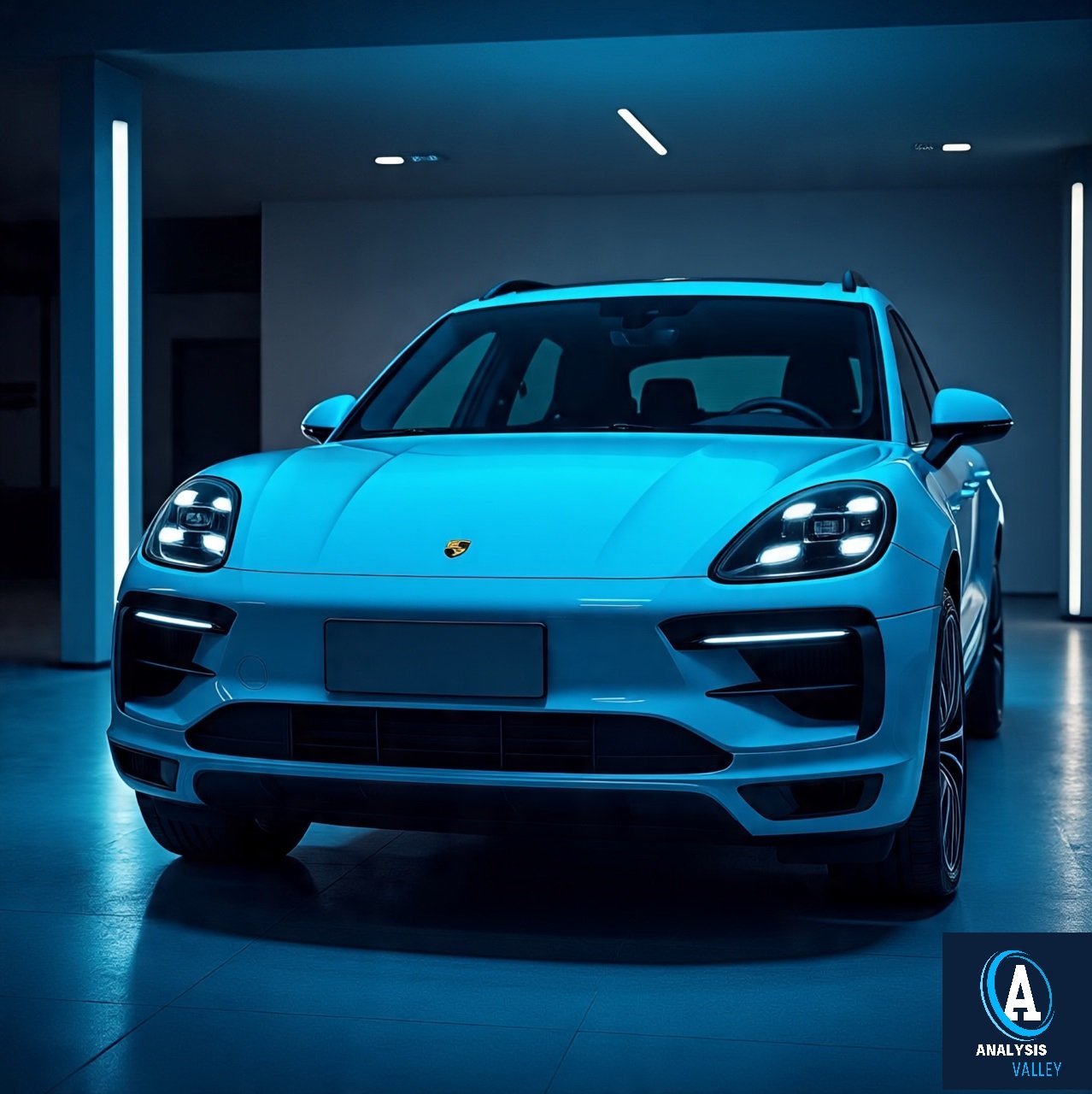
The Deep Dive: The Macan EV is Porsche’s most important launch since the Taycan, transitioning its best-selling model to an all-electric future. Sharing the PPE platform with the Audi Q6 e-tron, the Macan EV has been extensively tested on the Nürburgring to ensure it lives up to the Porsche badge. It will feature a heavily rear-biased all-wheel-drive system and rear-axle steering for unparalleled agility. Power outputs are expected to exceed 600 horsepower in the top-tier Turbo model. Despite its SUV proportions, it features an active aerodynamics system with a deployable rear spoiler to optimize downforce and range. The interior is a blend of Taycan-inspired driver focus and SUV practicality, ensuring it remains the sports car of the compact luxury SUV segment.
12. Cadillac Escalade IQ
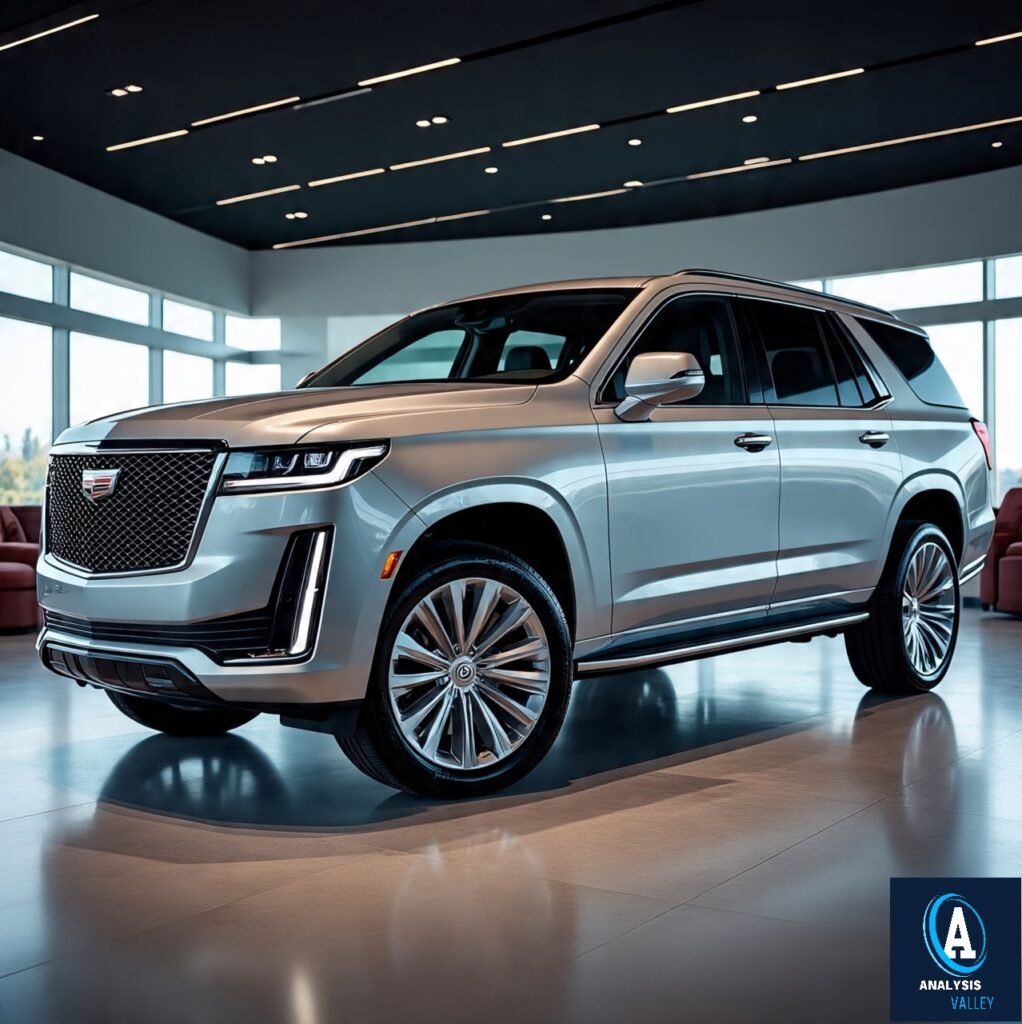
The Deep Dive: Cadillac is scaling the success of its Lyriq up to its most iconic and profitable nameplate. The Escalade IQ is a behemoth, stretching over 18 feet long and featuring the brand’s bold new design language with a massive illuminated grille. It rides on GM’s premium Ultium platform, with an estimated range of 450 miles per charge—among the highest of any production EV. It will offer all the opulence expected of an Escalade, including a 55-inch curved LED display, superbly crafted materials, and available Executive Second-Row seats with over 40 degrees of recline. It will also be one of the first vehicles equipped with GM’s advanced Ultra Cruise driver-assistance system, aiming to eventually offer hands-free driving on 95% of paved roads in North America.
13. Genesis GV90
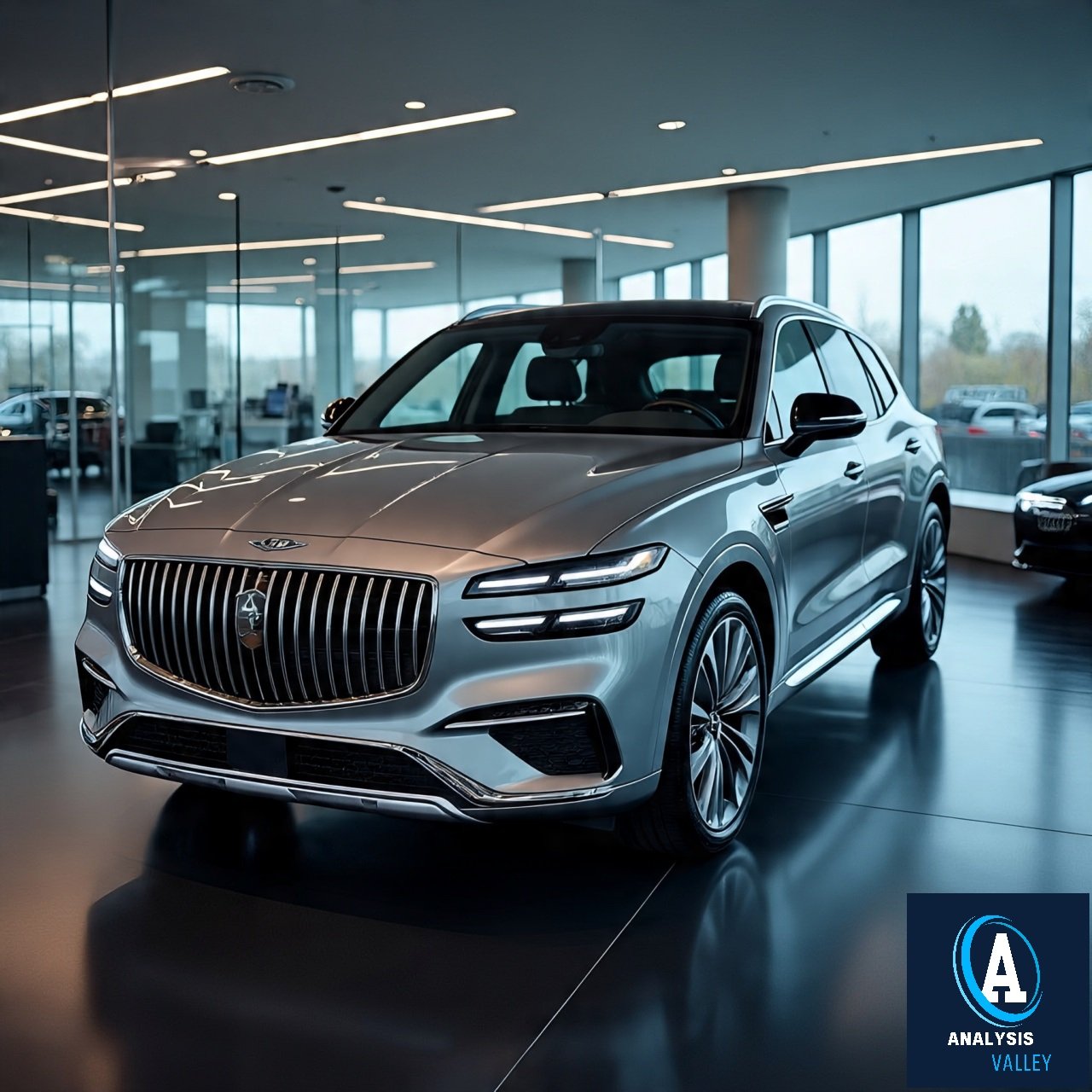
The Deep Dive: As the new flagship SUV for Hyundai’s luxury brand, the GV90 will be the ultimate expression of Genesis’s “Athletic Elegance” design philosophy and commitment to a carbon-neutral future. It will sit atop the brand’s lineup, leveraging a next-generation version of the E-GMP platform. Expect an interior that redefines Korean luxury, potentially featuring sumptuous reclining rear seats, exotic sustainable materials, and a seamless, minimalist tech interface. It will likely offer a high-performance variant, potentially badged as an e-Model, with staggering power figures to compete with the BMW iX M60 and Mercedes-AMG EQE SUV. The GV90’s mission is to cement Genesis as a true peer to the established German luxury giants.
14. Lexus LF-ZC (Production Version)
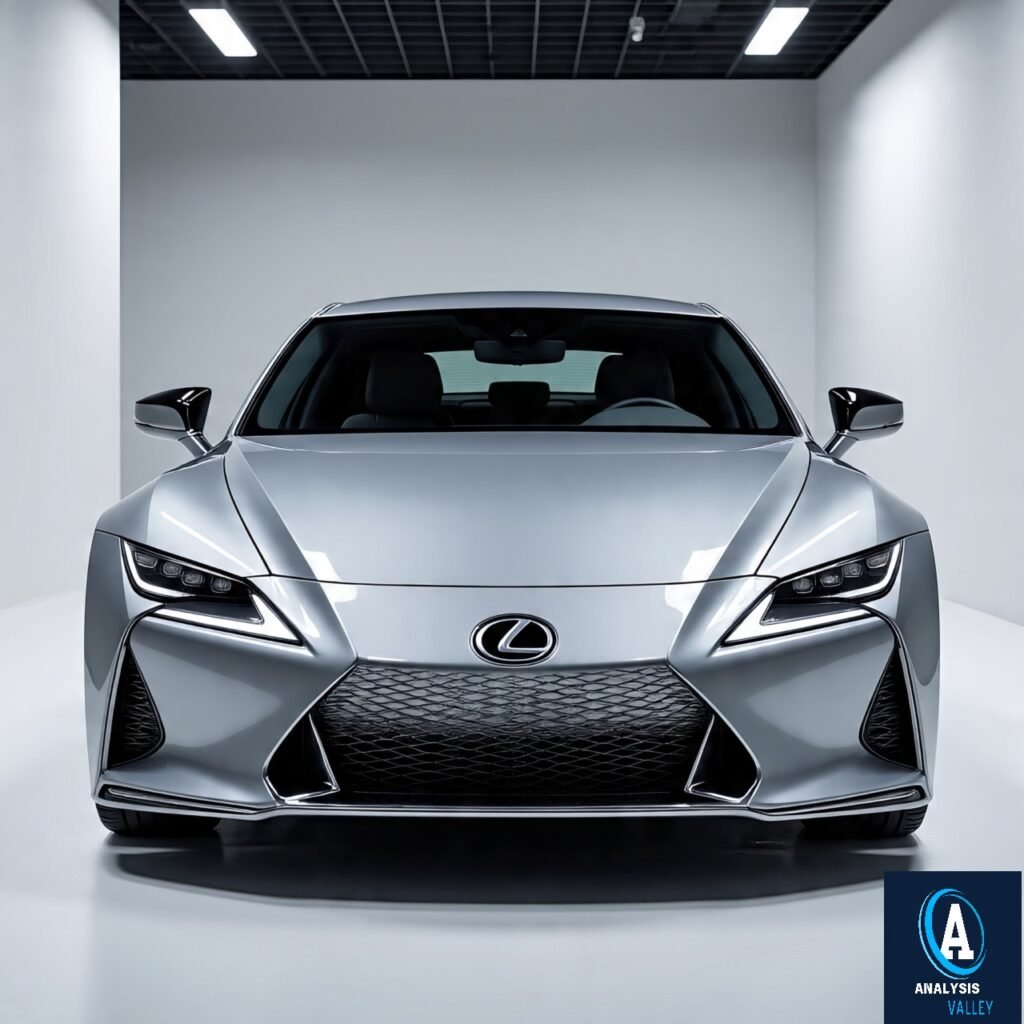
The Deep Dive: The stunning LF-ZC (Lexus Future Zero-emission Catalyst) concept previews a production model that will embody Lexus’s radical new direction. The concept’s name signifies its role as a catalyst for change. The production version will be a low-slung, fastback SUV with a focus on aerodynamics and a direct, engaging drive. It is expected to introduce Lexus’s “steer-by-wire” system, which eliminates the mechanical linkage between the steering wheel and the wheels, allowing for a more customizable driving feel and increased cabin space. The interior is envisioned as a “secret lounge,” with a minimalist, driver-centric cockpit that feels like a spaceship. This vehicle is Lexus’s statement that its electric future will be dynamic, technologically breathtaking, and anything but boring.
15. Kia EV9 (Wider Availability & Refresh)
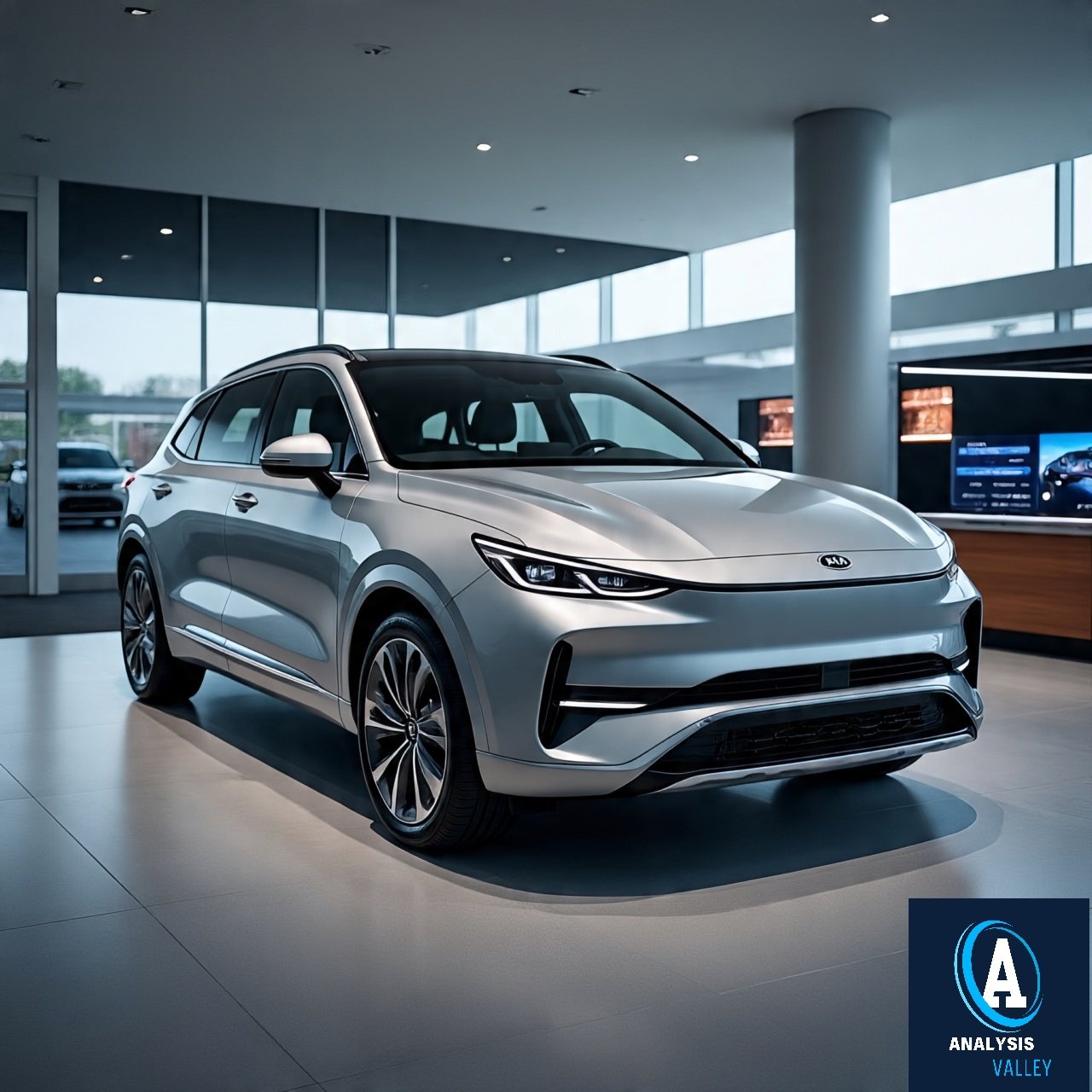
The Deep Dive: While already launched in some markets, the EV9 deserves a spot on this list as it becomes more widely available globally and receives future updates. It is a landmark vehicle: a large, three-row SUV with a bold, robotic design that stands out dramatically. Its interior is incredibly versatile, with available second-row seats that can swivel 180 degrees to face the third row, and a available solar panel roof that can add up to 2,000 km (1,240 miles) of range per year. Its Vehicle-to-Load (V2L) function is powerful enough to act as a home backup power source. The EV9 proves that a large, three-row electric SUV can be the functional, stylish, and sustainable centerpiece of a modern family’s life, without any of the compromises associated with early EVs.
For a broader understanding of the technical evolution of this vehicle class, you can explore the as defined by Wikipedia’s SUV entry.
The Charging Conundrum: Infrastructure’s Make-or-Break Moment
The success of these 15 electric SUVs, and the hundreds that will follow, hinges on a factor outside the control of any single automaker: charging infrastructure. While 800-volt architecture is becoming commonplace, allowing for remarkably fast charging sessions, the availability and reliability of high-power charging stations are not yet universal.
“A vehicle capable of adding 200 miles of range in 15 minutes is an engineering triumph,” notes Dr. Anya Sharma. “But if the only 350 kW charger at a busy service station is out of order, that capability is rendered meaningless. The industry and governments are in a race to build out reliable networks. The automakers who are investing directly in charging networks, like the GM-Honda-Stellantis collaboration or Mercedes’s high-power network, are not just selling cars; they are selling a viable ownership experience.”
The official announcement of major federal investments in charging infrastructure in the US and similar initiatives in Europe are critical steps. The coming years will test whether infrastructure growth can keep pace with the flood of new EVs hitting the road.
Beyond the Hype: The Challenges of an Electric SUV World
The arrival of these exciting new models is not without its broader challenges. The larger mass and less aerodynamic shape of an SUV mean it requires a larger, heavier battery to achieve a competitive range, increasing the demand for raw materials like lithium and cobalt. This raises serious questions about the ethical and environmental impact of mining operations.
Furthermore, the physical size of these vehicles continues to pose questions about urban congestion, parking, and pedestrian safety. A study by the Insurance Institute for Highway Safety (IIHS) found that SUVs are significantly more likely than cars to injure pedestrians, due in part to their high, blunt front ends.
“The industry is in a race between technological improvement and resource management,” notes Dr. Sharma. “Solid-state batteries, which promise higher energy density, lighter weight, and less reliance on rare materials, could be a game-changer for electric SUVs. But until that technology is commercialized at scale, we must be conscious that building a world full of large electric vehicles, while cleaner in operation, is not the most efficient use of our planetary resources. The most sustainable EV is ultimately a smaller, lighter one.”
The Road Ahead: What Comes After the Electric SUV?
The electric SUV is the definitive vehicle of this transitional decade. But the innovation cycle is already looking beyond. The next frontier involves the convergence of this dominant form factor with advanced autonomy and new ownership models.
The Autonomous SUV: Companies like Waymo and Cruise are already using SUV-based platforms for their robotaxi services. The spacious, reconfigurable interior of an electric SUV is the perfect canvas for a mobile office, lounge, or retail space once the steering wheel disappears.
Software-Defined Experiences: The true differentiator between these upcoming models will increasingly be their software. Over-the-air updates will unlock new features, performance, and comfort settings, turning the vehicle from a static product into a continuously evolving platform. The car you buy in 2024 could gain new autonomous features, a different horsepower profile, or enhanced battery management through a simple software update in 2026, fundamentally changing the ownership lifecycle.
Conclusion: An Electric Future, Forged in an SUV Shape
The list of 15 upcoming electric SUVs is more than a preview of new cars; it is a roadmap of the automotive industry’s future. The sheer diversity—from the affordable and chic Kia EV3 to the opulent and tech-laden Cadillac Escalade IQ—proves that the electric revolution will be inclusive of nearly every consumer need and desire. We are moving from a period of limited choice to an era of overwhelming abundance in the electric vehicle market.
“The SUV has proven to be the most resilient and adaptable automotive format of the last 40 years,” concludes Michael Thorne. “It absorbed the station wagon’s practicality, the minivan’s family-friendliness, and the sports car’s performance. Now, it is seamlessly absorbing electrification, connectivity, and autonomy. The vehicles on this list aren’t a sideline; they are the main event for the foreseeable future. The battle for the soul of the automobile is being fought not over sedans or sports cars, but over the shape, scope, and intelligence of the electric SUV.”